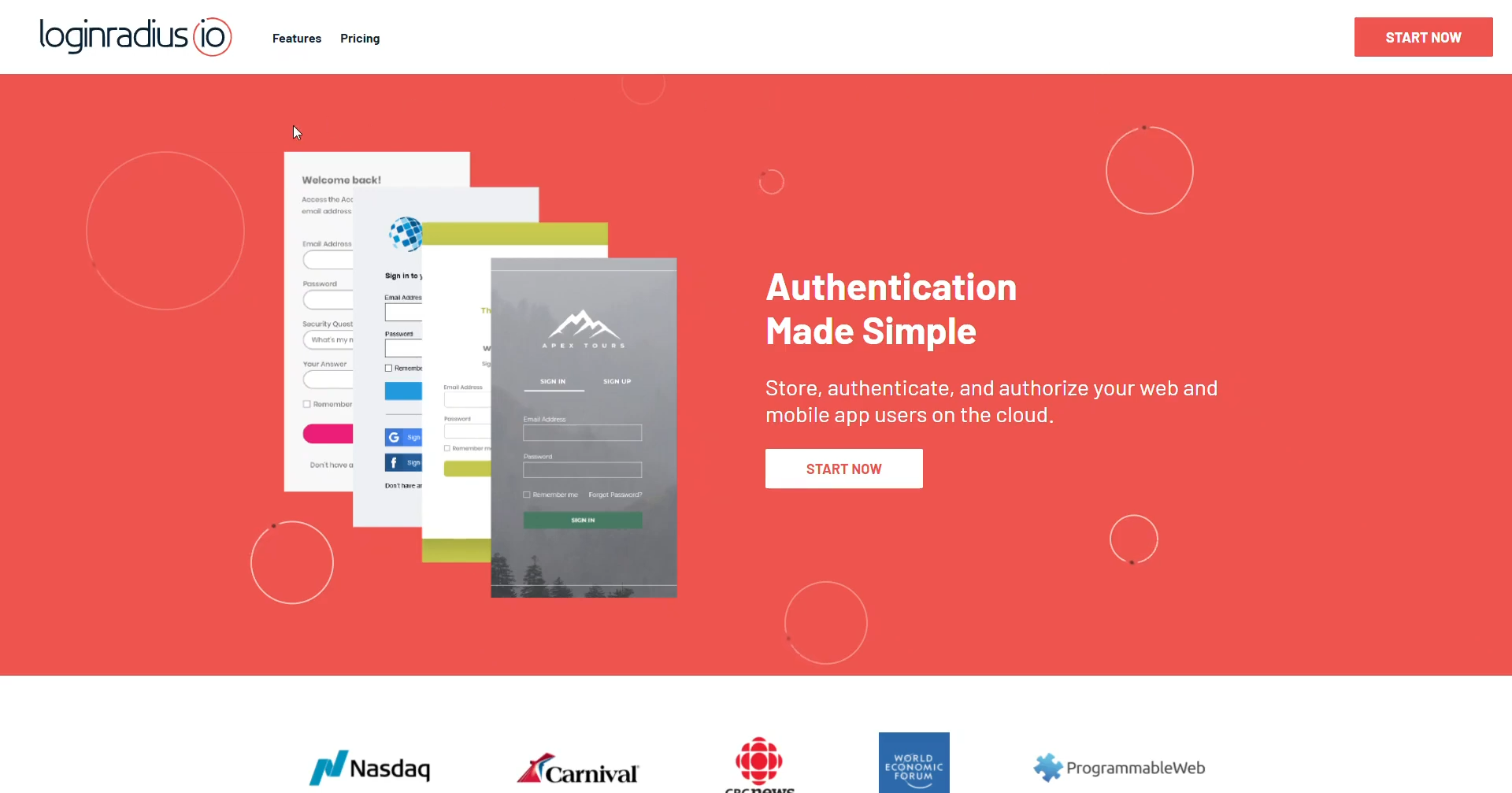
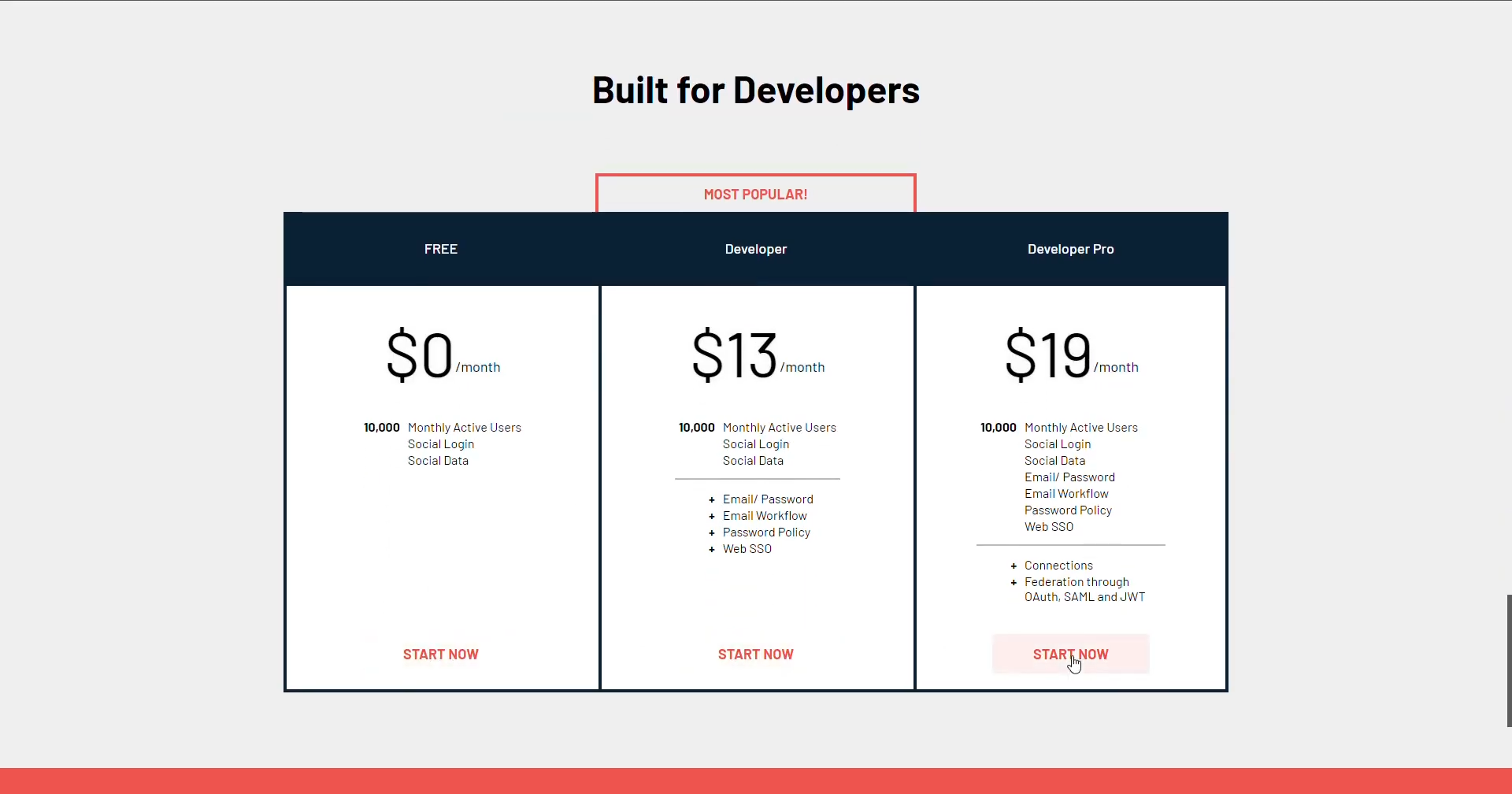
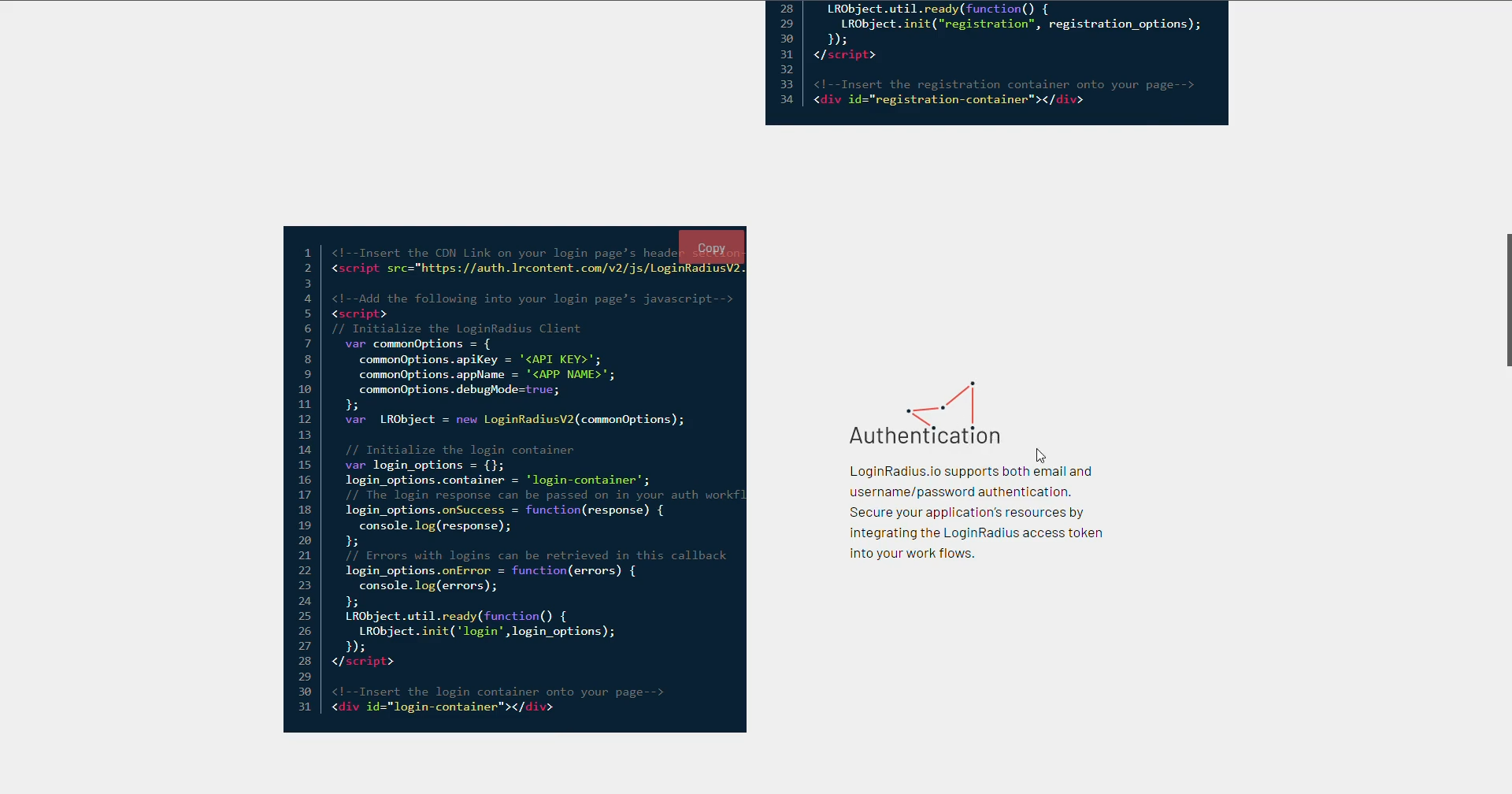
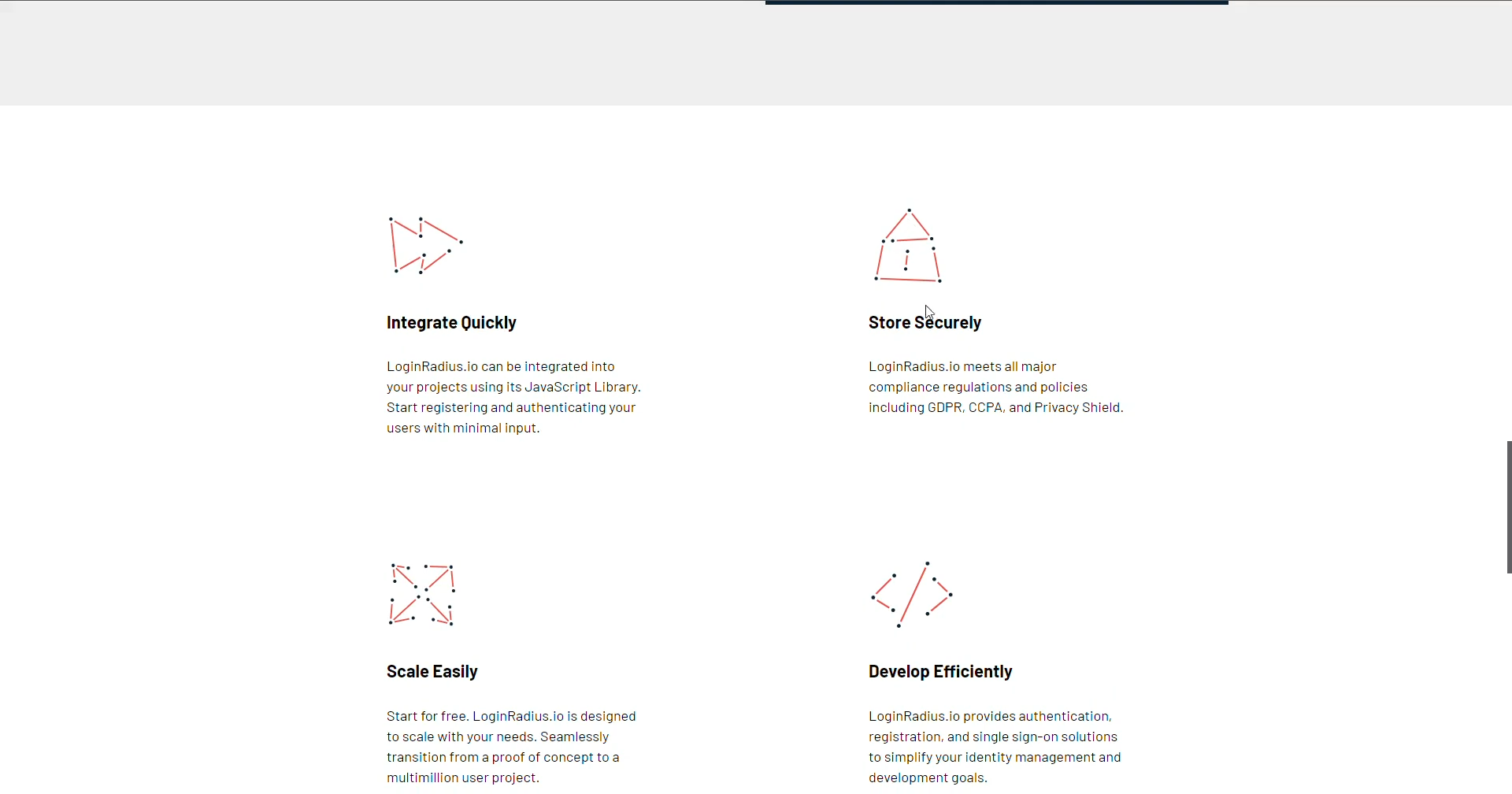
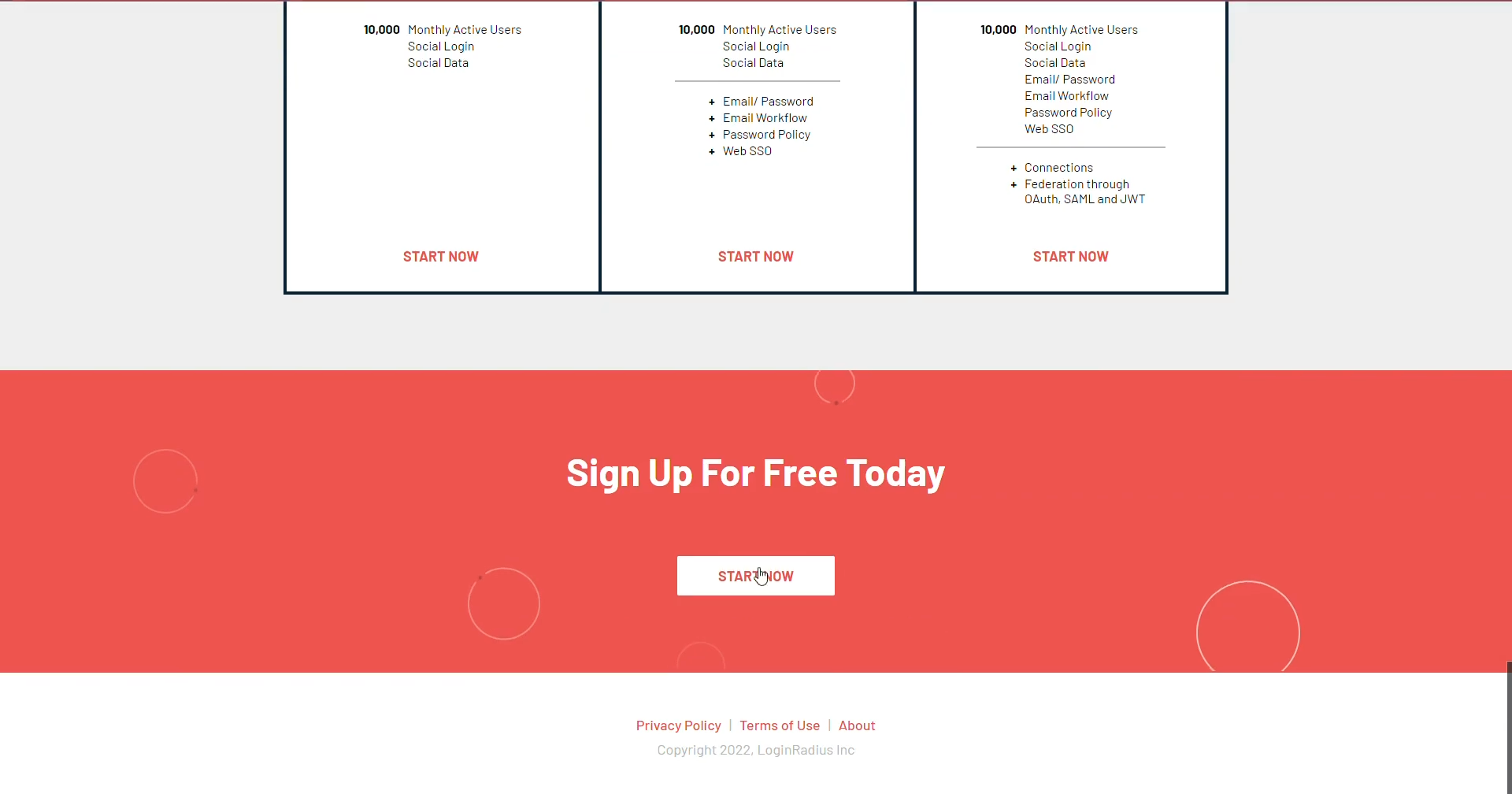
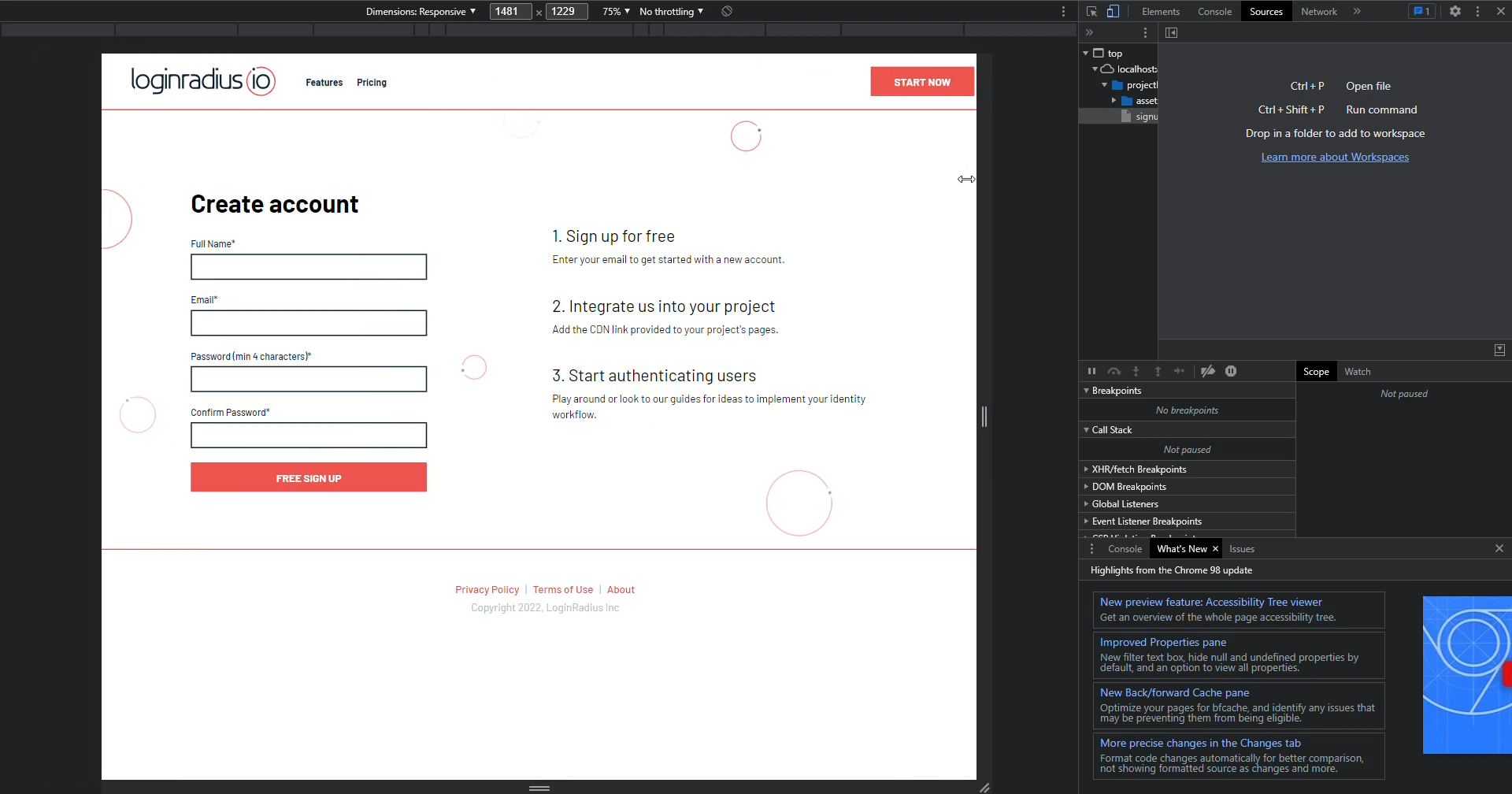
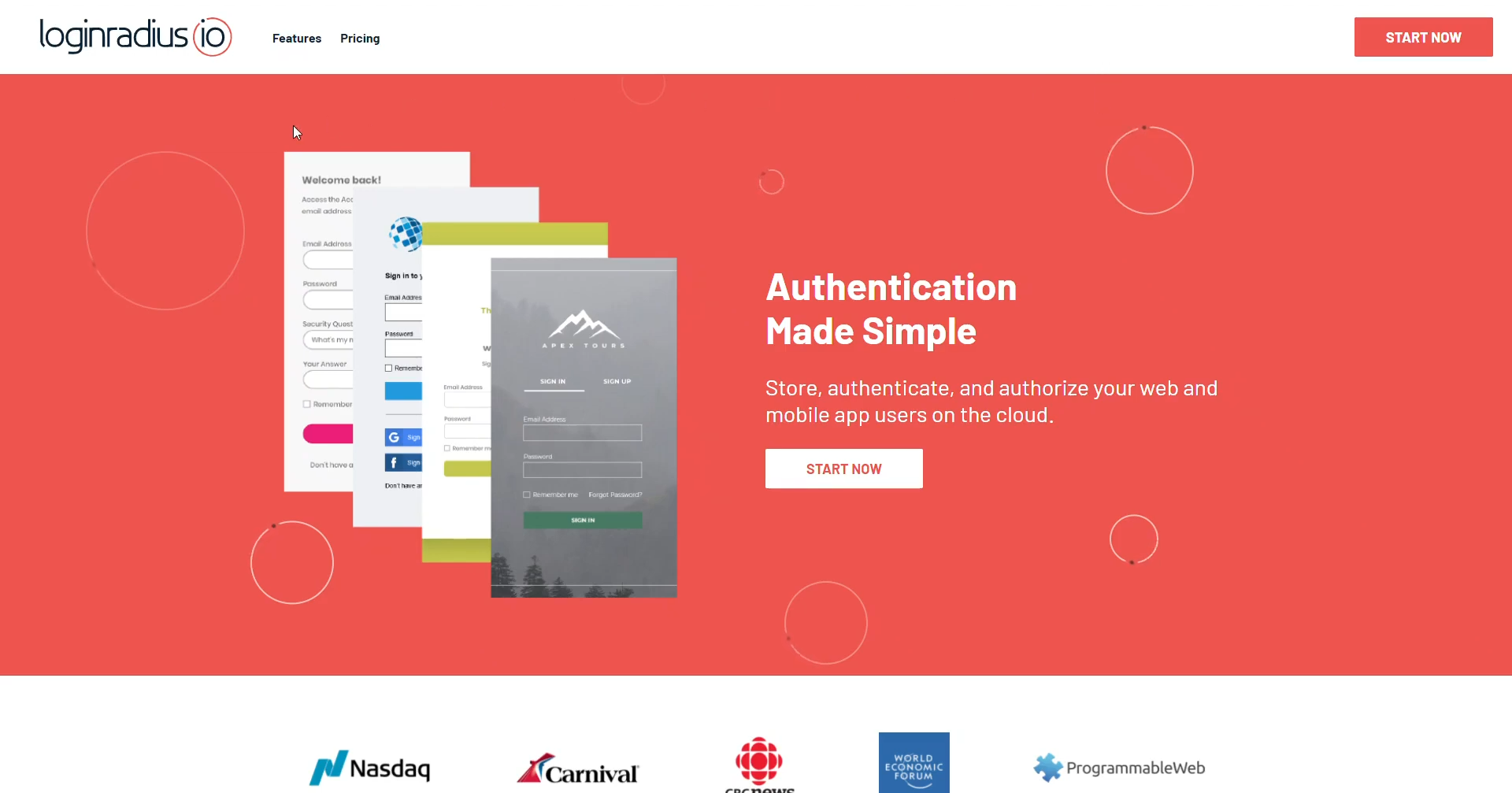
LoginRadius.io Screenshot

LoginRadius IO Website & Sub-Brand Identity

Validating an executive market-expansion vision through a developer-first sub-brand identity, conversion UX, and custom front-end web engineering.

  • Employer: LoginRadius Inc.
  • Role: Lead Brand, Web UX/UI Designer & Front-End Developer (Solo End-to-End Execution)
  • Scope: 0-to-1 Sub-Brand Visual Identity, Website UX Strategy & Information Architecture, Interactive UI Engineering, Custom JavaScript Animation Engine, Production Web Development
  • Tech Stack: PHP, Vanilla JavaScript (Custom Parallax), HTML5, CSS/LESS
  • Domain: Cybersecurity / CIAM — Developer Marketing & Self-Serve Web Portal
  • Collaboration: Direct partnership with the CEO & Executive Leadership

Executive Summary

While LoginRadius had established a strong foothold in top-down enterprise sales (targeting CISOs and corporate IT buyers), the CEO initiated an exploratory project to launch LoginRadius IO—a new sub-brand tailored specifically to individual developers. However, capturing this demographic required a completely different web presence, visual identity, and messaging architecture than the traditional corporate website.

Operating as the sole designer and front-end web developer working directly with the CEO, I owned the end-to-end execution of the LoginRadius IO website and brand identity. I defined the developer-centric web UX strategy, crafted an expressive new visual brand from scratch, and hand-coded a high-performance marketing website using PHP, LESS, and vanilla JavaScript. The resulting web platform gave executive leadership a living, technically polished digital presence to validate the developer sub-brand in record time.

1. Problem Discovery: Investigating the Root Bottlenecks

When the CEO kicked off the initiative to build a web presence for the individual developer market, my first step was investigating why standard enterprise websites fail to convert individual engineers—and auditing the technical trade-offs of building an immersive, animated brand site.

What the Investigation Revealed:

  • Developer Hostility Toward Corporate Web Funnels: Investigating how developers evaluate tools on the web revealed an immediate cultural clash. Developers are fiercely skeptical of conventional B2B marketing websites. When a website buries how the tool works under corporate buzzwords or hides pricing behind "Contact Sales" forms, developers immediately bounce.
  • The Failure of Generic SaaS Branding: Auditing competitor websites showed that static corporate stock photos and generic vector illustrations fail to resonate with a technical audience. The sub-brand needed a distinct visual identity that felt like a living, programmatic system right on the homepage.
  • The Website Animation vs. Page-Speed Trap: Looking into how modern tech brands build visually impressive websites exposed a common front-end engineering problem: most rely on heavy background video files or bloated third-party JavaScript animation libraries. While flashy, those heavy assets degrade page load speeds and cause scroll lag—flaws that a technical audience immediately notices.

2. Problem Identification: The Systemic Diagnosis

Synthesizing the CEO's business goals, developer browsing habits, and front-end web performance constraints allowed me to diagnose four root problems the website and branding needed to solve:

  1. High-Friction Website Information Architecture: Traditional B2B website layouts hide product mechanics and pricing behind marketing fluff, violating the developer need for immediate, scan-friendly clarity.
  2. Lack of a Culturally Relevant Sub-Brand Identity: The core corporate brand was built for banking and enterprise executives; the new web portal needed a fresh, expressive visual identity tailored to a younger developer demographic.
  3. Web Performance Degradation from Heavy Brand Assets: Achieving an unforgettable, 3D-like visual experience on the website using standard video loops or heavy third-party frameworks would hurt site speed and scroll responsiveness.
  4. Slow Concept-to-Web Validation Cycles: Taking a new sub-brand and website from a raw executive concept to a live, production-coded web experience normally takes months of handoffs between brand designers, web UX designers, and front-end developers.

3. Approach & Architectural Solutions

Zero-Handoff Brand, Web UX & Front-End Execution

To bring the CEO's vision to life rapidly without sacrificing web performance, I combined brand design, web UX architecture, and front-end development into a single workflow:

  • Developer-First Web Storytelling: I stripped away traditional corporate marketing clutter, structuring the website's information architecture around immediate visual clarity and transparent pricing.
  • Bespoke Vanilla JavaScript Web Engineering: Rather than weighing down the website with external animation libraries, I hand-wrote a custom, mathematically driven motion engine in vanilla JavaScript paired with clean PHP templates and modular LESS stylesheets.

The 3 Pillars of the LoginRadius IO Website & Brand

Pillar 1: Scan-Optimized Website UX & Self-Serve Narrative

  • The Diagnosis Addressed: Developers abandon marketing websites that obscure how a product works or hide pricing tiers.
  • The Architectural Solution: I architected a low-friction, progressive disclosure content flow across the website to mirror how a developer evaluates a new tool:
    • 1. Catch Attention: Hook the visitor immediately with an immersive, code-driven hero section that signals technical craftsmanship.
    • 2. Show, Don't Tell: Present clear, scan-friendly visual breakdowns of how the platform works without forcing users to dig through dense paragraphs.
    • 3. Validate Cost Upfront: Surface transparent, self-serve pricing tiers right on the site.
    • To keep the browsing experience effortless, I replaced bloated multi-column site menus with a minimalist, lightning-fast navigation bar.

Pillar 2: The "Constellation" Brand Identity & Programmatic Web UI

  • The Diagnosis Addressed: Generic stock imagery fails to make a memorable impression on a tech-savvy audience, while heavy video files slow down web performance.
  • The Architectural Solution: I created a cohesive "Constellation" sub-brand identity, using interconnected nodes, planets, and network paths to visually represent technical architecture. Instead of exporting static graphic files or heavy video loops for the website, I hand-coded a lightweight JavaScript system that programmatically renders and animates floating constellation and planetary elements directly inside the website's hero section and structural headings.

Pillar 3: Mathematically Driven Parallax & Z-Index Depth Engine

  • The Diagnosis Addressed: Complex website animations often cause scroll jank and are painful for web developers to update later.
  • The Architectural Solution: Using vanilla JavaScript, I engineered a custom depth-of-field and parallax system for the website governed by three programmatic rules:
    • Z-Index Optical Depth: Brand elements positioned further in the background were programmatically rendered with lower opacity and softer edges to create a true sense of spatial depth on the page.
    • Asynchronous Scroll Speeds: Background visual objects scrolled vertically at a fraction of the speed of the foreground typography, producing a smooth, fluid parallax effect as the user reads down the page.
    • Modular Code Scalability: I structured the underlying website code modularly so that future web developers could easily add new interactive brand objects or tweak screen coordinates via simple configuration updates.

4. The Impact: Measured Against the Diagnosis

By uniting brand identity, web UX strategy, and custom front-end coding, the LoginRadius IO website delivered immediate strategic value:

Root Problem #1:

Corporate web funnels alienating developers.
Architectural Intervention:

Rebuilt the website IA around visual proof and upfront pricing transparency.

Measurable Impact:

Created a frictionless, developer-friendly web journey tailored to self-serve evaluation.

Root Problem #2:

Static imagery vs. heavy video bloat on the web.

Architectural Intervention:

Created the "Constellation" brand identity powered by a custom vanilla JS animation engine.

Measurable Impact:

Delivered an unforgettable, interactive brand experience with fast page loads and zero third-party library bloat.

Root Problem #3:

Hardcoded web animations difficult to maintain.

Architectural Intervention:

Engineered a modular JavaScript coordinate and depth configuration system.

Measurable Impact:

Enabled effortless website maintenance, allowing developers to adjust animated brand elements via simple parameters.

Root Problem #4:

Slow multi-team handoffs for executive concepts.

Architectural Intervention:

Executed the branding, web UX/UI design, and PHP/JS/LESS coding solo from 0-to-1.

Measurable Impact:

Eliminated 100% of design-to-dev handoff friction, rapidly providing the CEO with a live web platform to validate a strategic market pivot.

Table of Contents

Screenshot Screenshot

Featured Case Study

Lost in Fragmented Systems?

See how I designed a unified 0-to-1 grant management platform for the BC Government, replacing fragmented manual workflows with a modern web experience

View Unity Case Study